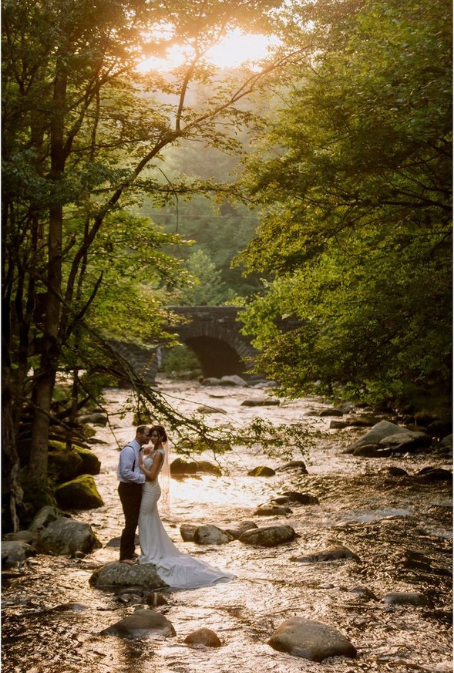
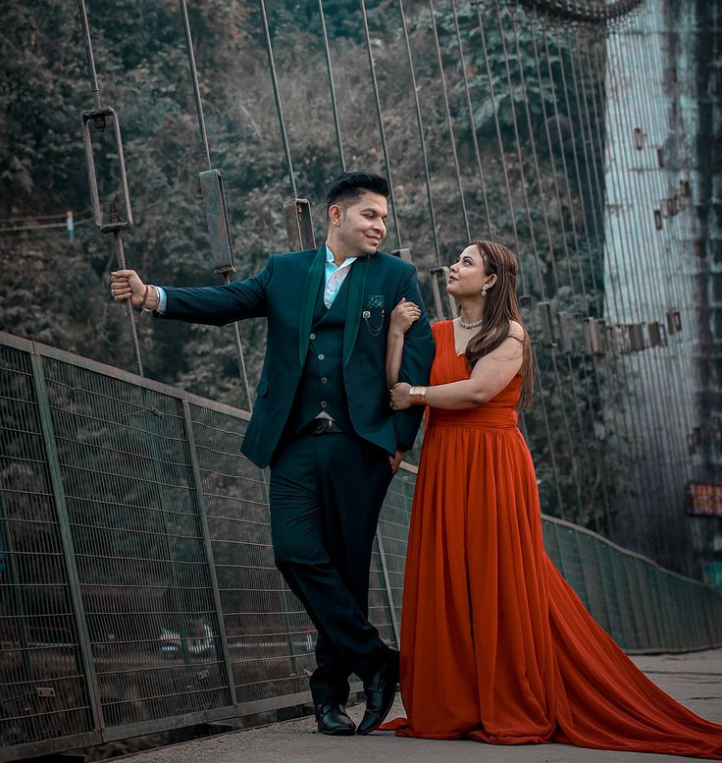

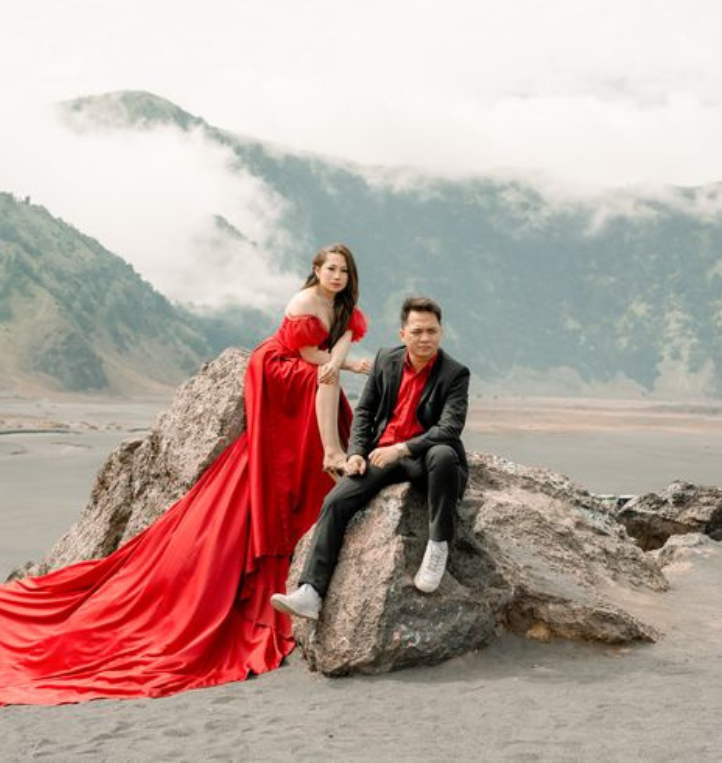
Our wedding in the Himalayas was like a dream come true. Everything from decoration to hospitality was perfectly managed. Thank you for making our day so special!
Neha & Arjun
Destination Wedding Couple
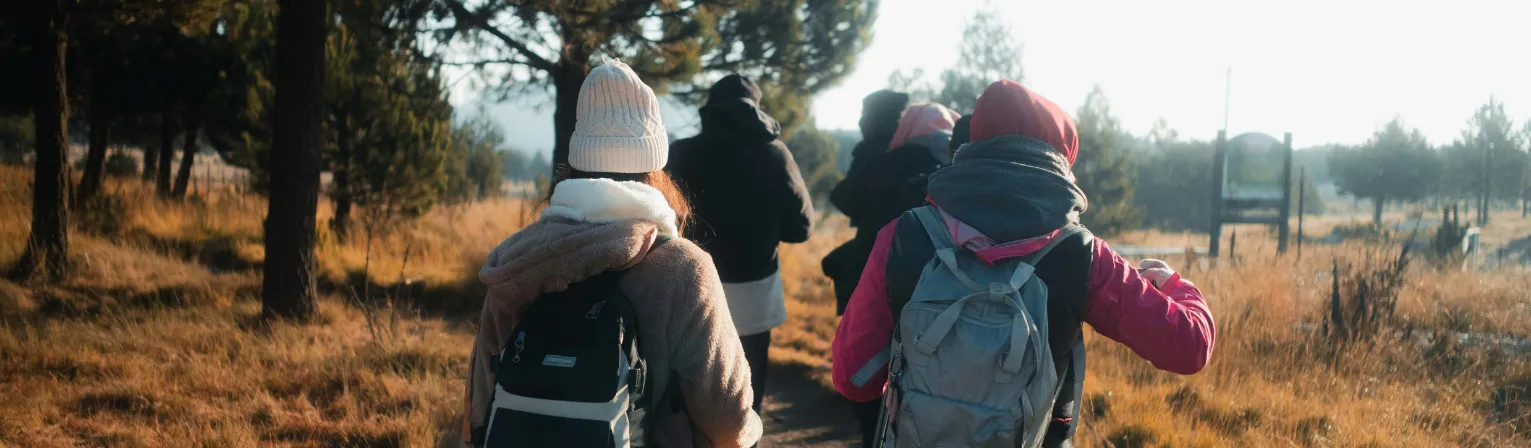


From beginner-friendly snow trails to high-altitude spiritual journeys — every trek is a story waiting to be lived.
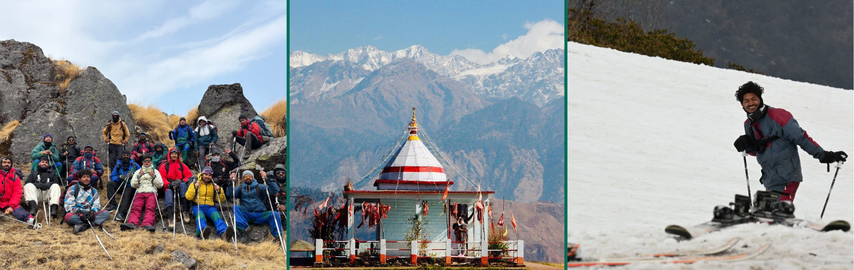
Where mountains are not just seen — they are felt
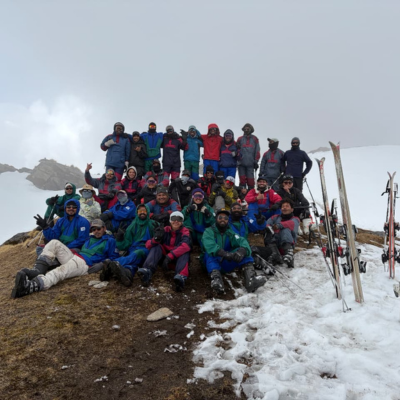
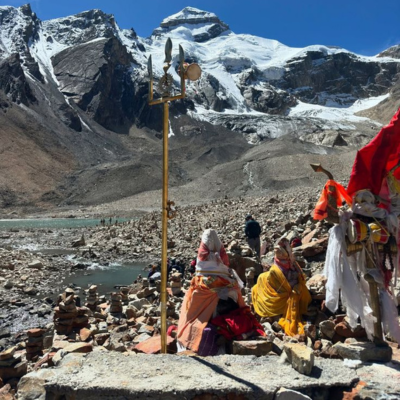
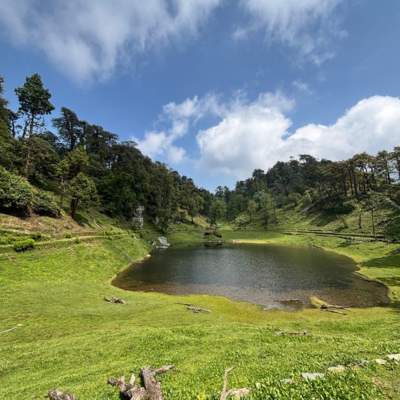
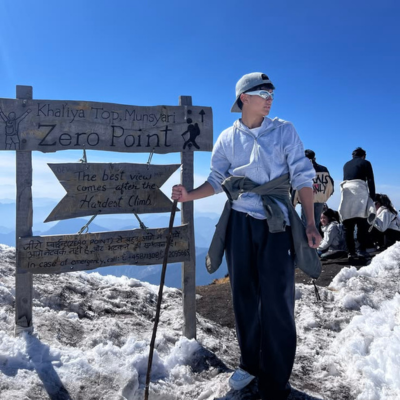
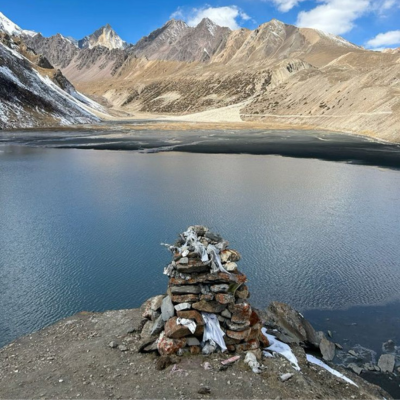
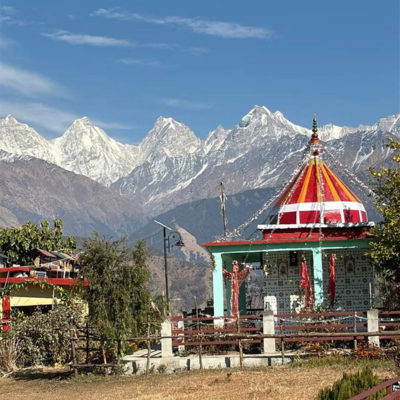
Nestled in the beautiful Pithoragarh district of Uttarakhand, Munsyari is one of the most magical hill stations in the Indian Himalayas. Often called the "Little Kashmir of Uttarakhand," this peaceful mountain town is surrounded by snow-covered peaks, dense forests, waterfalls, rivers, alpine meadows, and traditional Himalayan villages.
Located at an altitude of around 2,200 meters (7,200 feet) above sea level, Munsyari offers breathtaking views of the mighty Himalayan ranges. The fresh mountain air, peaceful atmosphere, and untouched natural beauty make it a perfect destination for travelers who want to experience the real charm of the mountains.
Whether you love nature, photography, trekking, camping, village life, or simply want to relax away from crowded tourist places, Munsyari feels like a dream hidden in the Himalayas.
The biggest attraction of Munsyari is the stunning view of the majestic Panchachuli Peaks — five snow-covered Himalayan peaks that shine beautifully during sunrise and sunset. The word Munsyari means "place of snow." The town was once an important stop on the ancient trade route between India and Tibet. Even today, the culture, food, and lifestyle here carry a unique Himalayan and tribal influence.
Most comfortable season — cool & pleasant, clear skies. Perfect for sightseeing, photography, trekking, and camping.
Crystal-clear post-monsoon air offers the best views of Panchachuli Peaks — ideal for nature lovers and photographers.
Munsyari transforms into a snowy paradise. Khaliya Top becomes perfect for snow trekking and winter photography.
Heavy rains can affect travel but valleys become extremely green and beautiful. Travel carefully due to landslides.
One of the most peaceful and beautiful places in Munsyari. Visitors enjoy breathtaking panoramic views of the majestic Panchachuli Peaks. During sunrise and sunset, the snow-covered mountains glow in golden and orange colors, creating a magical Himalayan scene.
One of the most famous trekking spots near Munsyari. Covered with snow during winters and green bugiyals during summers — offering breathtaking 360° Himalayan views.
A stunning waterfall falling from a great height amidst lush green mountains. The sound of the water and the peaceful surroundings make it a perfect stop while traveling to Munsyari.
Located on a mountain pass, this beautiful temple dedicated to Goddess Kali offers panoramic Himalayan views. The road journey through pine forests to this temple is equally scenic.
A peaceful traditional Himalayan village famous for woolen handicrafts, handwoven shawls, traditional stone houses, and local culture. Walking through this village feels like stepping into old Himalayan life.
A small natural lake connected with local legends and surrounded by peaceful mountain scenery. A great place for quiet relaxation and nature photography.
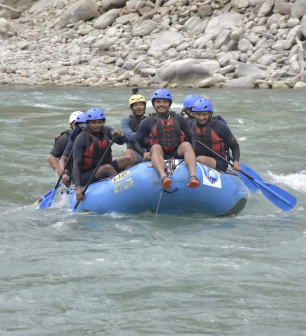
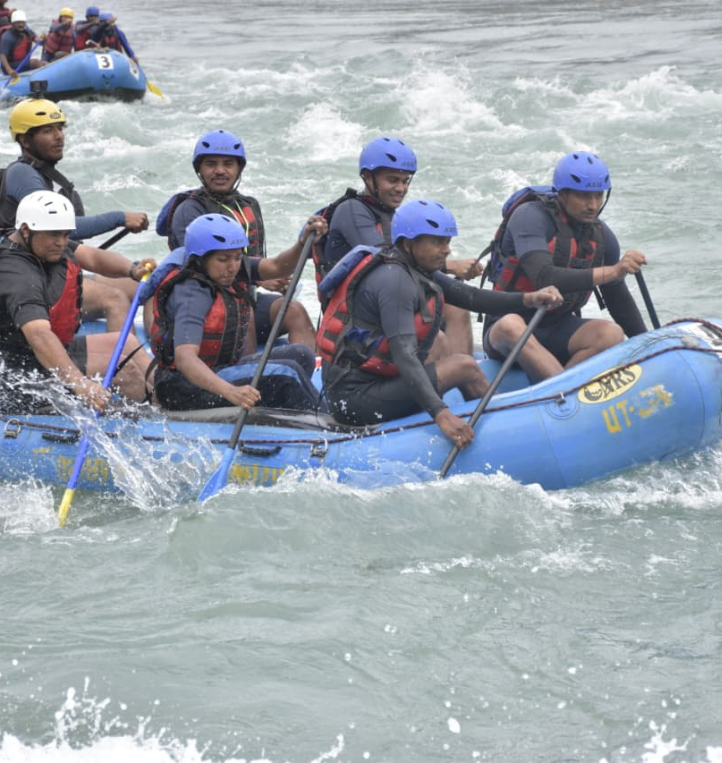
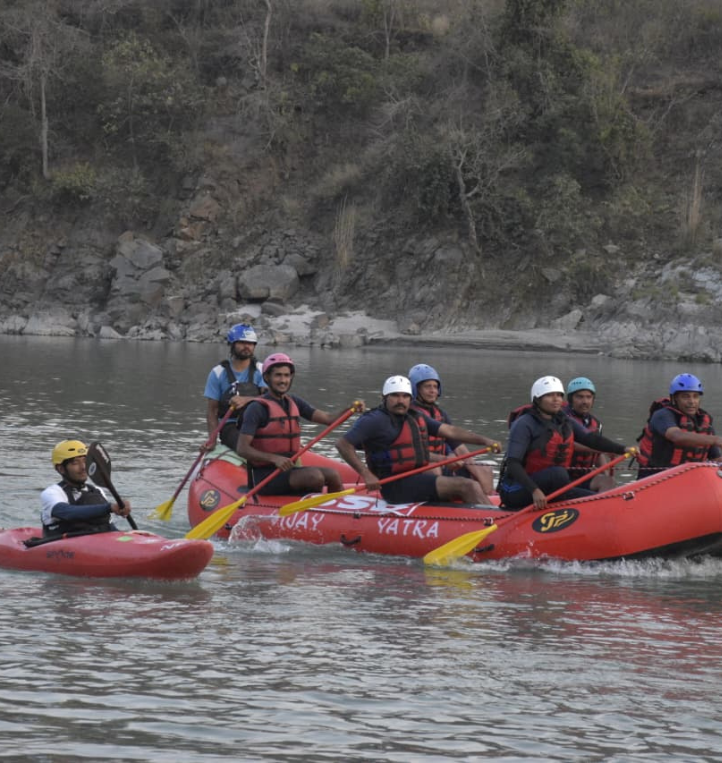
Munsyari is a paradise for adventure lovers — with activities to suit every kind of explorer.
The forests around Munsyari are home to many rare Himalayan animals and birds. The region is rich in rhododendron forests, pine trees, and high-altitude meadows.
The culture of Munsyari reflects the beauty of the Kumaon region. The people here are warm, simple, and deeply connected with mountain traditions. Don't miss these local delicacies:
Scenic journey with rivers, forests & mountain views throughout.
Well-connected from Delhi, Lucknow & other major cities.
Flights from Delhi. Road transfer to Munsyari approx. 7–8 hours.
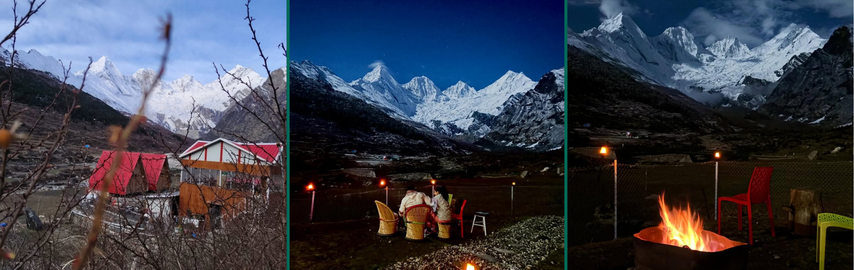
Where the road ends and the real Himalayas begin — a valley stuck in time
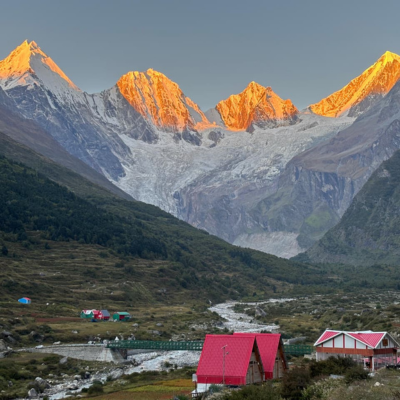
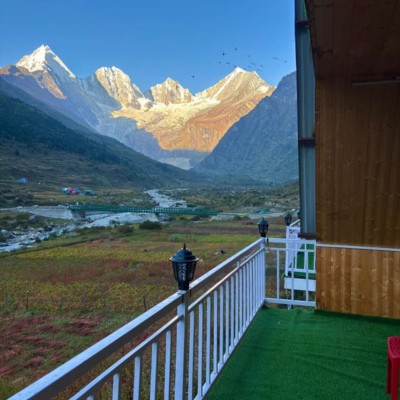
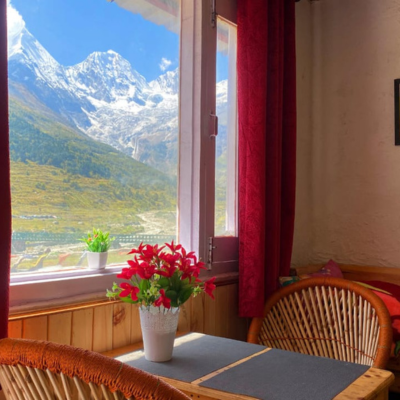

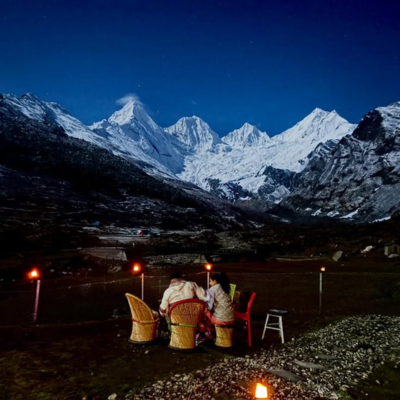
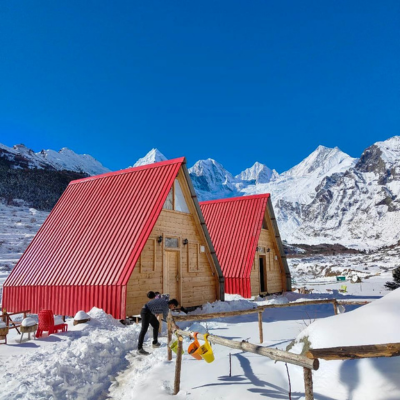
You're travelling along a road that stops dead at the edge of an expanse of majestic mountains; cellular service drops off the scale; all else — the view, the sounds, the air you breathe, even your thoughts — becomes part of this mountainous environment. Welcome to Darma Valley, home to some of the most isolated valleys found within the greater Himalayan range.
Found high in the Pithoragarh region of Uttarakhand, India, just east of the Indo-Tibet border, Darma Valley sits at approximately 3,470 metres above sea level (about 11,400 feet). To the east lies Kuthi Yangti Valley; to the west lies Lassar Yangti Valley. The main river flowing through this valley — the Darma River (also called Darmaganga and Dhauli Ganga) — came from glaciers and has produced a stunningly-naked landscape full of colour and texture that one could hardly believe could exist outside of a fictional world.
Darma Valley is not your average weekend trip to a popular hill station — this is an experience like no other! If you are looking for something authentic — mountains, culture, and real adventure — this is where you should go!
In addition to the scenic wonders, you will pass through a number of historical villages along your trek through Darma Valley — including twelve historical hamlets, numerous waterfalls, grassy alpine meadows, and some of the tallest peaks in the entire world: the Panchachuli range. The valley is approximately 40 km long, extending from Sobla to either of the two Yangti valleys.
Darma Valley would not be complete without the story of the Panchachuli Peaks, which rise above 6,800 metres to create a dramatic skyline both day and night. At over 6,900 m, the Panchachuli Massif provides some of the most breath-taking scenery in Kumaon's Himalayas. The glaciers formed by these summits feed the Darwan River and flow south through Darwan Valley, eventually merging with the Kali River.
The name "Panchachuli" means five clumps. The locals refer to the five separate summits as "Pandav Peaks" — they believe these peaks represent the Pandavas (Yudhishthira, Arjuna, Bhima, Nakula, and Sahadeva), who according to mythology cooked their final meal on these peaks before ascending to heaven. If you look up at the summit as you stand at the base of the mountain, you will be inclined to agree.
The Rung Community is the heart and soul of the Darma Valley. The Rung People, also called Shauka, are a distinct ethnic group from the extreme north of Kumaon, bordering Tibet. They have a rich culture and were historically involved in trade across the India–Tibet border.
Photographers will love to capture life around the villages — multi-storied timber houses decorated with beautiful carvings, mountain paths worn smooth by foot travel over centuries, and elderly people who remember how traders used to journey between villages. Most trekkers stay in homestay lodges and spend the night with local families — these places carry the warmth of a home, serve traditional food, and offer an authentic experience of Rung culture.
Held in the village of Dantu — visitors can enjoy watching traditional dances and listening to traditional music from the region. A vibrant celebration of Rung heritage.
A local trade fair that attracts locals and tourists alike to celebrate the great traditions of the valley — a cultural gathering rooted in the ancient trading history of the Rung people.
Celebrated at the beginning of the Tibetan New Year — featuring religious ceremonies for health and prosperity, traditional celebrations with food, and vibrant cultural performances.
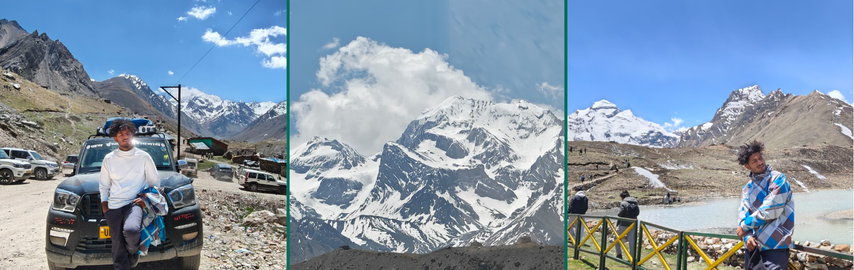
The Divine Land of Lord Shiva in The Himalayas
In the depths of the majestic Himalayas of Uttarakhand lies a body of nature, spirituality, and mystery that have combined perfectly — Adi Kailash and Om Parvat. Surrounded by snow-covered peaks, tranquil valleys, ancient villages, and holy rivers, this journey is not just an adventure through the mountains; it is an experience of the heart.
For pilgrims to Lord Shiva, thrill seekers, photographers and those who appreciate nature; Adi Kailash and Om Parvat are some of the most wondrous places in all of India.
Located in the Pithoragarh District of Uttarakhand, near the Indo-Tibetan border, Adi Kailash is popularly referred to as "Chhota Kailash" or "Little Kailash". This is due to the fact that Adi Kailash is very similar to the more famous Mount Kailash in Tibet.
According to Hindu religion, this holy mountain is considered one of the homes of Lord Shiva and Goddess Parvati. At the foot of this mountain is the tranquil Parvati Sarovar. The water of the lake is so clear that the mountains can be seen reflected on the surface like a mirror. Gauri Kund, another very holy site, is located nearby.
Om Parvat is certainly one of the most notable parts of this trip. This mountain is unique because the snow magically produces the sacred symbol “ॐ” (Om) on the dark rocks of the mountain. This symbol is formed completely by nature.
From the Nabhidhang area, you can enjoy the best view of Om Parvat. At sunrise, when the first rays of the sun hit the snow-covered symbol, it creates a brilliant divine sight that fills every visitor with devotion and wonder.
Getting to Om Parvat and Adi Kailash involves going through some of the most remote and culture-rich areas in the Kumaon region of Uttarakhand. The general path taken to get there goes as follows:
Kathgodam → Pithoragarh → Dharchula → Gunji → Nabhidhang → Adi Kailash
During this trip you will pass through beautiful forests, valleys, rivers, waterfalls, hanging bridges and traditional Himalayan villages such as Gunji, Kuti, and Nabi — home to the ancient Rung community.
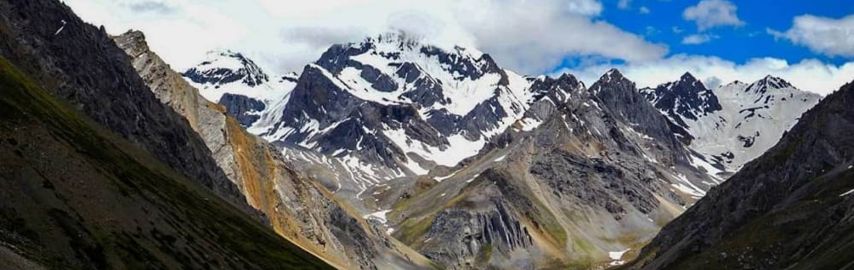
Where India meets Tibet — one of the highest motorable passes in the world
Lipulekh Pass (5,334 m) is a legendary high-altitude pass on the Kailash Mansarovar Yatra route, at the trijunction of India, Nepal, and China (Tibet). This trek takes you through remote Vyans Valley, crossing ancient trade routes used by pilgrims for centuries.
Dense oak forests, glacial streams, and dramatic rocky terrain lead to panoramic views of Api and Nabi peaks — a trek for those who seek raw, untouched wilderness.
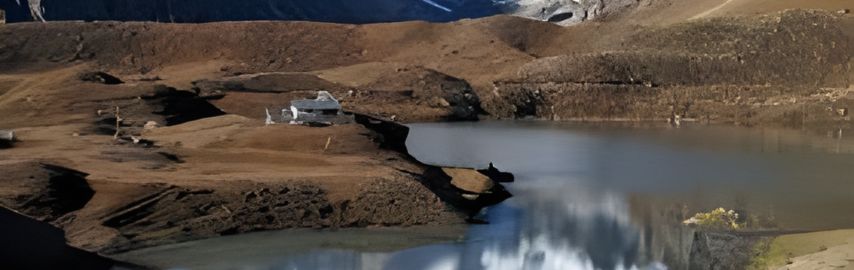
The Chhota Kailash — a divine journey through the roof of the Kumaon Himalayas
Aadi Kailash (also Chhota Kailash) is a sacred peak in Pithoragarh, revered as a replica of Mount Kailash in Tibet. The trek combines spiritual significance with breathtaking natural beauty — one of the most unique experiences in the Indian Himalayas.
The highlight is the darshan of Om Parvat, where natural snow forms the divine symbol 'ॐ' — a sight that leaves every trekker in awe.
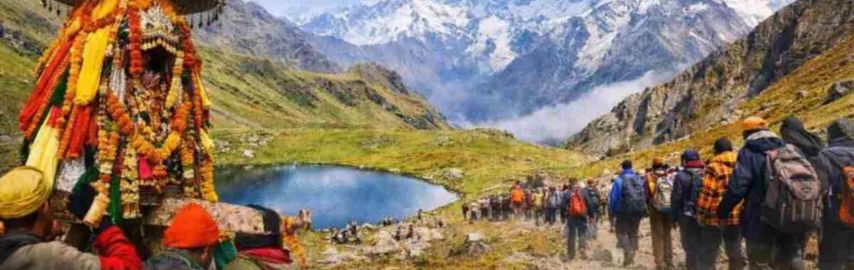
The hidden crown jewel of Kumaon — a trail few have walked, fewer will forget
Laspa is our pick for Trek of the Year — a remote, crowd-free route in the greater Munsyari–Milam belt that rewards adventurous souls with staggering views, raw glacier landscapes, and an authentic off-the-grid experience.
High-altitude bugiyals (grasslands), lateral moraines, and stark glacial terrain make Laspa the perfect balance of challenge, beauty, and the kind of solitude that reminds you why you started trekking.
Happy Couples



Destination Wedding Couple
Our wedding in the Himalayas was like a dream come true. Everything from decoration to hospitality was perfectly managed. Thank you for making our day so special!


Riverside Wedding
The riverside ceremony was absolutely magical. The floral décor, the sound of the river, and the warm hospitality made it an unforgettable celebration for us and our guests.
Forest Wedding
We always dreamed of a forest wedding and this team made it happen beyond our expectations. The fairy lights, the bonfire reception, and the stunning Himalayan setting were just perfect.
Grand Wedding Package
From Sangeet to the grand reception, every function was meticulously planned and executed. Our 200 guests were thoroughly impressed. This team is truly exceptional at what they do!
We recommend booking at least 3–6 months in advance to secure your preferred venue, dates, and vendors. For peak season (October–June), early booking ensures the best availability and pricing.
Our packages include venue arrangement, décor, priest & rituals, catering, photography, accommodation, and guest coordination. Custom add-ons such as entertainment, DJ, and honeymoon planning are also available.
Absolutely! We specialize in both traditional Vedic ceremonies with full rituals and modern fusion celebrations. We customize every aspect of your wedding to match your vision and preferences.
Simply reach out to us via our website or give us a call. Our dedicated wedding planning team will schedule a consultation to understand your vision, budget, and requirements, and then create a custom plan just for you.